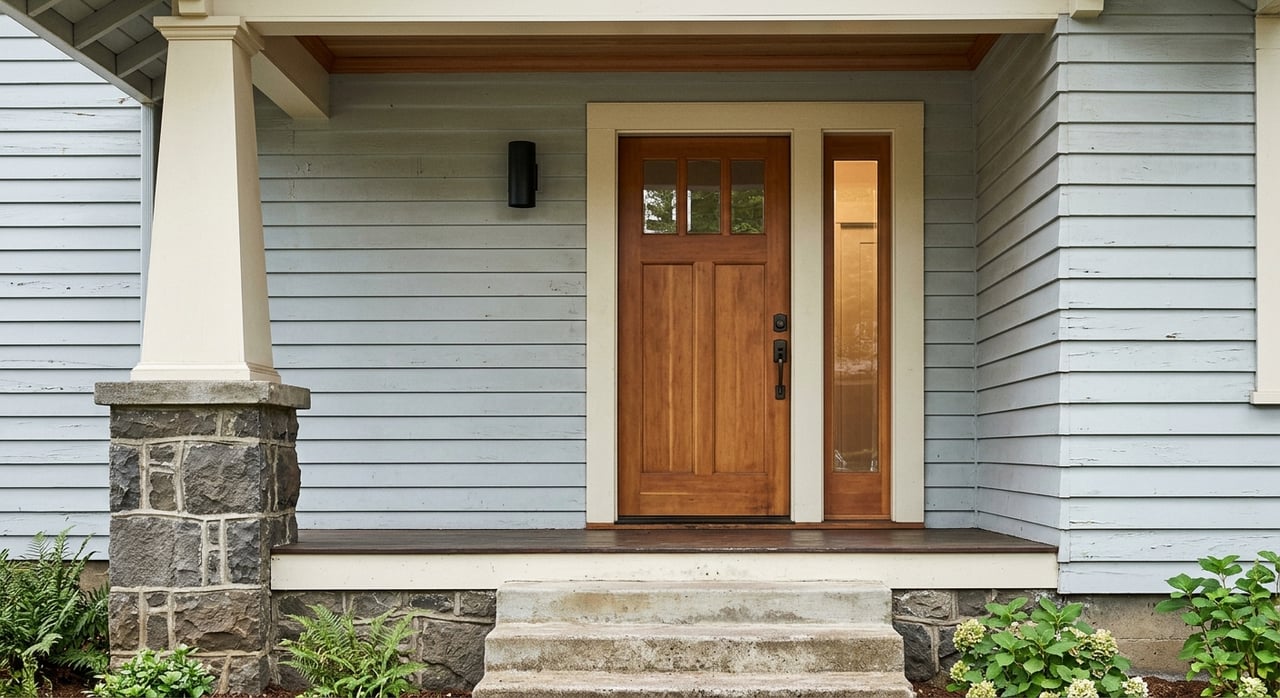
Newer Or Older Home In Columbia Falls?
July 16, 2026
July 16, 2026
Wondering whether a newer home or an older home makes more sense in Columbia Falls? You are not alone. In this market, the right answer often depends less on the year built and more on how the home’s setting, condition, and upkeep fit your budget and daily life. If you are weighing charm against convenience, or lot size against newer finishes, this guide will help you sort through the tradeoffs with more confidence. Let’s dive in.
Columbia Falls gives you a real mix of housing choices. The city’s 2024 estimate shows about 2,599 housing units, and the housing stock is split fairly evenly between older and newer homes. About half of the homes were built before 1979, while about 24% were built since 2010.
That matters because you are not choosing between two rare categories. Both newer and older homes are part of the local market. You can find everything from established in-town homes to newer construction in more compact settings.
In Columbia Falls, newer does not always mean a large new house on a big open lot. Buildable land inside the city is limited, with fewer than 100 buildable lots reported as of February 2024. Recent construction has also leaned heavily toward higher-density housing rather than detached single-family homes.
From 2017 through 2024, the city averaged 56 building permits per year. About 62% of those permits were for buildings with seven or more units, while only 21% were for single-family homes. So when you shop for newer homes here, you may be looking at more attached, infill, or compact-lot options than you expected.
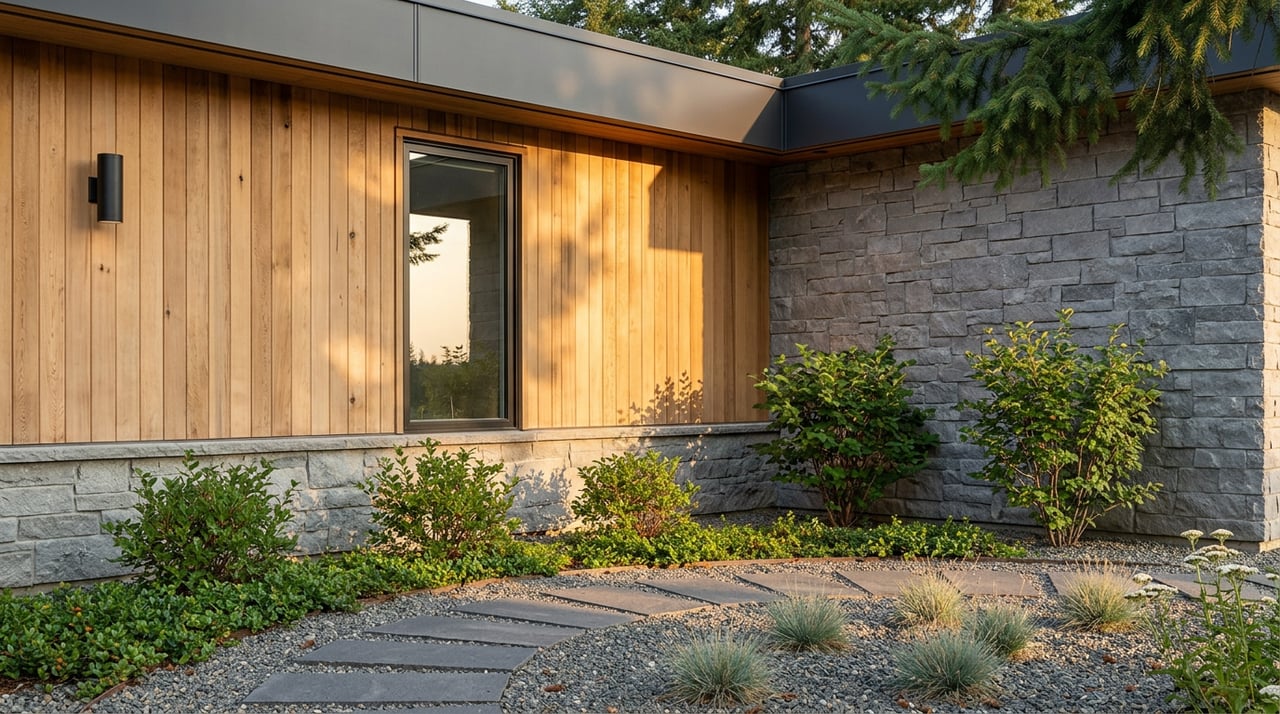
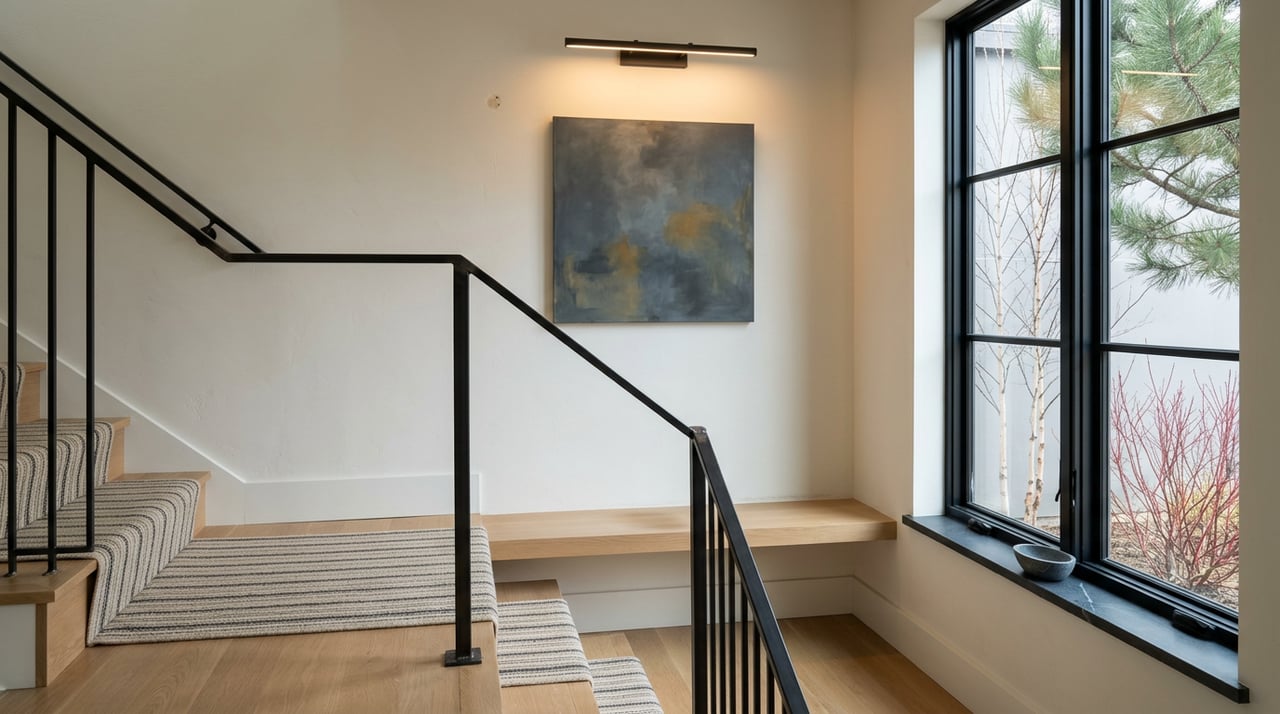
Newer homes often appeal to buyers who want a simpler move. They are more likely to offer current floor plans, newer finishes, and systems built under the city’s adopted 2021 building-related codes. That can make the home feel more predictable from a maintenance and layout standpoint.
Newer homes can also work well if you want a more lock-and-leave lifestyle. For some buyers, especially second-home buyers or people with busy schedules, lower immediate repair needs can be a major plus.
The main tradeoff is often the setting. Because recent development has leaned toward denser product, a newer home may come with a smaller lot, a more standardized layout, or closer spacing between homes.
That does not make it a bad choice. It just means you should look closely at how the property lives day to day, including privacy, parking, outdoor storage, and snow storage.
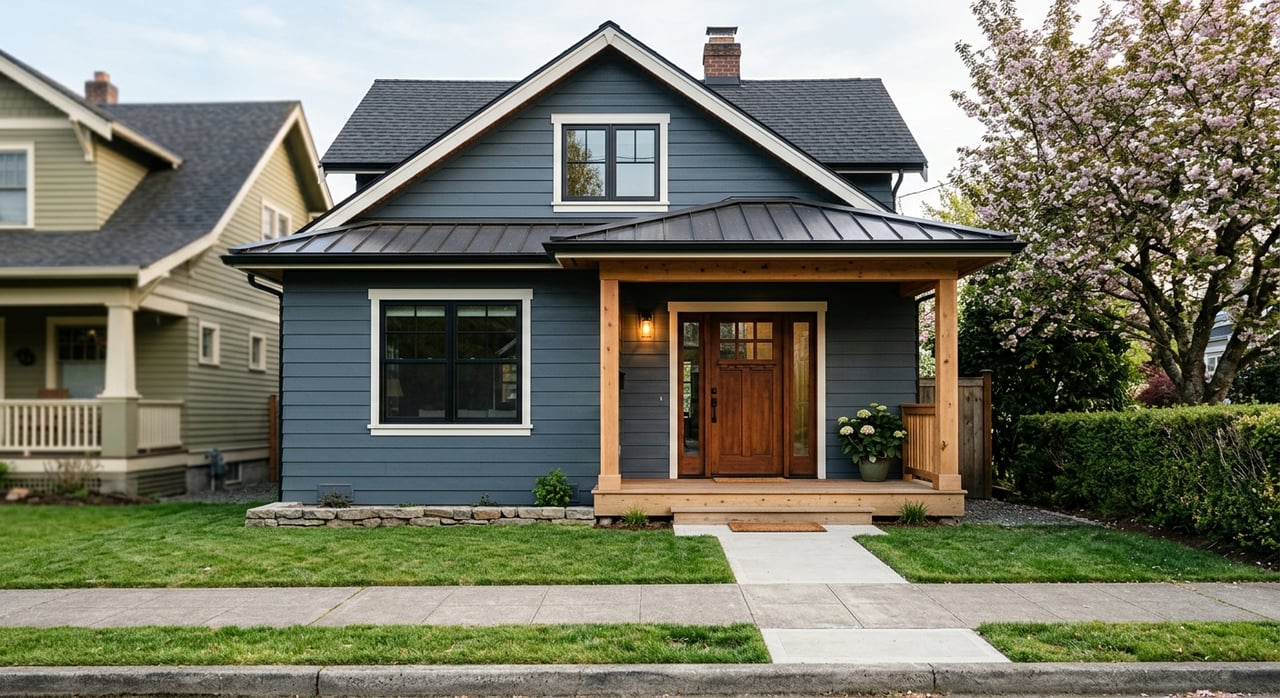
Older homes are a major part of Columbia Falls. About 25% of the housing stock is at least 55 years old, and half of the homes were built before 1979. If you are drawn to character, mature settings, or less cookie-cutter layouts, older homes may offer exactly what you want.
In many cases, older homes have more individualized floor plans and original details. They may also sit in established parts of town where lot patterns and street feel are different from newer developments.
Older homes can offer a sense of personality that is harder to find in more standardized construction. You may find larger yards, mature landscaping, or layouts that feel distinct from one property to the next.
If craftsmanship and long-term value matter to you, an older home can be especially appealing when it has been well maintained or thoughtfully updated. The key is to separate charm from condition.
With older homes, the inspection conversation becomes very important. Older does not automatically mean problematic, but it can mean a higher chance of deferred maintenance or updates completed in stages over time.
In a cold-climate area like this, buyers should pay close attention to insulation, moisture, heating systems, and basement conditions. Montana State University Extension notes that basement walls can lose a lot of heat if they are not insulated, moisture issues should be corrected before insulating, and aging furnaces can create combustion-safety concerns.
One of the biggest differences between homes in Columbia Falls may be the lot setting, not just the age. City zoning includes a wide range of residential options, from estate-type development on one-acre minimum lots in CR-1 to more compact two-family residential lots in CR-5.
That means you can find homes that feel rural and spread out, or homes that feel more in-town and compact, sometimes within the same community. If your priority is elbow room, garden space, shop potential, or a quieter lot arrangement, pay close attention to the parcel and zoning context during your search.
A newer home may reduce the odds of immediate system replacements, but it does not remove the need for due diligence. A newer roof, newer windows, or newer mechanical systems can be attractive, but site conditions still matter.
An older home may ask more of you over time, especially if updates have been piecemeal. But if the home has strong maintenance history and smart improvements, it can still be a great fit and a great value.
The better question is not “Which is better?” It is “Which home’s upkeep profile fits your time, budget, and comfort level?”
Whether the home is new or old, Columbia Falls buyers should ask practical, property-specific questions. Flathead County identifies wildfire, severe winter weather, and flood risk as high-significance hazards. That makes the site and maintenance details especially important here.
Bring these questions to showings and inspections:
These questions matter for both older and newer homes. In Columbia Falls, a well-kept property in the right setting can outperform a newer one that has site issues, and vice versa.
Wildfire hardening is not just an older-home issue. Flathead County and Montana DNRC guidance support looking at the area closest to the house, roof and gutter debris, and vulnerable openings around the structure.
A good starting point is the first 3 to 5 feet around the home. Keeping that area as fire-resistant as possible, using noncombustible materials near the foundation when practical, and clearing leaves and needles from roofs and gutters can all help reduce risk.
If you are comparing homes, ask how each property handles defensible space. Also look at siding transitions, vents, eaves, and how close combustible materials are to the home.
Radon is one of the clearest examples of why house age should not be your only filter. It can affect both newer and older homes. The EPA states that radon has been found in every state, and testing is the only way to know whether a specific home has elevated levels.
This is especially relevant if you plan to use a basement or lower level as living space. The EPA recommends fixing homes with radon results at or above 4 pCi/L, and Montana State University Extension notes that neighboring homes can have very different radon levels.
In other words, do not assume. Test the home you are buying.
If you are torn between a newer home and an older one, the inspection may clarify the answer. A solid independent inspection helps you move beyond surface-level appeal and focus on what ownership may actually look like.
The Consumer Financial Protection Bureau recommends hiring an independent inspector, scheduling the inspection early enough to address issues, and attending when possible so you can ask questions in real time. If major repairs come up, you may have room to negotiate repairs or change course if your contract includes an inspection contingency.
If you want newer finishes, a more current code environment, and potentially less immediate repair work, a newer home may be the better fit. Just be prepared that newer in Columbia Falls often means a more compact lot or a more standardized setting.
If you care more about character, an established setting, or a less typical floor plan, an older home may be worth the extra diligence. In that case, focus on maintenance history, moisture, insulation, heating systems, and radon testing.
The best choice in Columbia Falls is usually the home that matches your lifestyle, maintenance comfort, and long-term plans. When you look beyond age alone, the decision often gets much clearer.
If you want help comparing options in Columbia Falls, from compact newer builds to older homes with character, Maureen Gerber can help you look closely at condition, setting, and long-term value so you can move forward with confidence.
Stay up to date on the latest real estate trends.
Choosing the right real estate professional makes all the difference when buying or selling in Whitefish. Clients receive expert guidance, strong market knowledge, and a proactive, detail-driven approach designed to make every transaction seamless and strategic. Whether purchasing a first home, searching for a mountain retreat, securing an investment property, or preparing to list, each step is handled with clear communication, skilled negotiation, and a deep understanding of property value and craftsmanship. With a commitment to protecting clients’ interests and delivering results, the focus is always on helping you find not just the right property, but the right place to belong—so you can truly live where you love and love where you live.
MAUREEN GERBER
206 LUPFER AVE STE 101 WHITEFISH, MT 59937