Why the Sand at Somers Beach Disappears in August
August 20, 2026
August 20, 2026
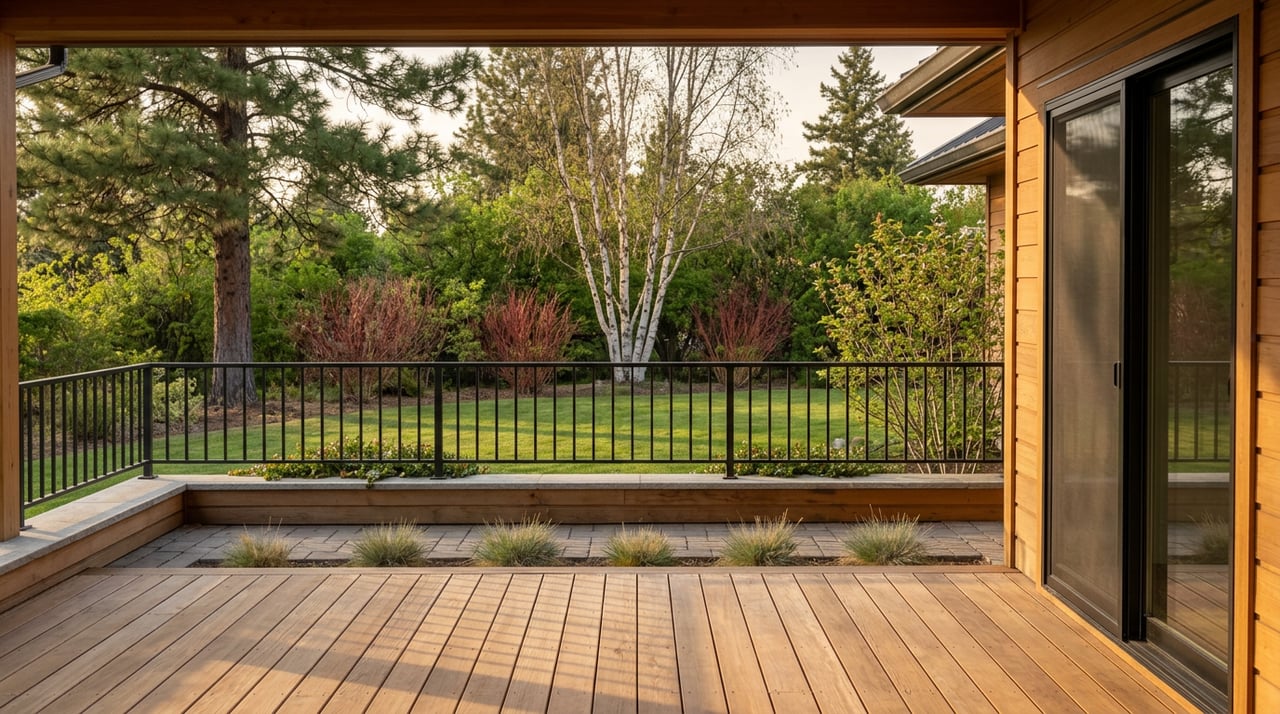
Walk down to Somers Beach State Park this week expecting the wide stretch of sand from last October's photos, and you will find something closer to a swimming hole. The water sits close to the grass line. What passes for beach is a few feet of damp shoreline before the lake takes over. This is not erosion or a bad year. It is Flathead Lake at full pool, and it means the beach most people picture when they hear "Somers Beach" barely exists in the middle of summer.
Montana Fish, Wildlife and Parks describes the park's defining feature plainly: the wide sandy beach is accessible when Flathead Lake sits below full pool, which runs fall through spring. Right now, at the peak of the boating and swimming season, the lake is high and that sand is mostly underwater. What residents get instead is a shallow, gently sloping swim area, which is exactly what draws families out here on hot afternoons. The park works, just not in the way the name suggests to someone picturing a summer beach day.
That mismatch is the whole story of Somers this month. The things that feel like they should still be happening have already wrapped, and the things that just opened are easy to miss.
East of the park's 106 acres sits the Flathead Lake Waterfowl Production Area, seven miles of federally managed shoreline running between Somers and Bigfork. It closes every year from March 1 through July 15 to protect nesting and migrating birds, more than 200 documented species using the grassland and wetland habitat along the north shore. That closure lifted a month ago.
For most of the summer, the sandy stretch that reopens after nesting season sits mostly empty of foot traffic, because by mid-July the lake is already at its highest and the beach access that matters to swimmers is the shallow water inside the state park boundary, not the newly reopened WPA shoreline next door. The two pieces of shoreline are neighbors, but they serve different seasons. One reopens for walking right when the other becomes best for swimming. Residents who track both know the beach here is really two beaches stacked on the same half mile, and they rarely peak at the same time.
The park itself was built with that rhythm in mind. When Fish, Wildlife and Parks finalized development plans in 2023, the agency chose vault latrines over flush restrooms, skipped an entry station, and dropped a proposed natural playground and tent camping from the plan. No trailered boat launch either, just a hand-carry access point for kayaks and paddleboards. The result reads less like a resort beach and more like what it is: 106 acres the Sliter family kept open to the public for decades before selling it to the state in 2021, developed just enough to stay usable without becoming something else.
If the beach's split personality is easy to miss, Longview Lavender Farm's calendar is even easier to lose track of. The family farm on Hard Rock Road, one of the only lavender operations in Montana, runs its u-pick and gift shop from Memorial Day through Labor Day. Owner Mike Sullivan and his family also hosted two-hour distillation workshops every Tuesday and Thursday, walking visitors through harvesting and steam distillation before sending them home with a bottle of essential oil and a fresh bouquet.
Those workshops ran through August 13. That means as of this week, one of the more distinctive things to do in Somers before Labor Day is already finished for the year, even though the farm's shop and u-pick fields stay open a few more weeks. Sullivan built the operation after nearly a decade of growing lavender before opening to the public, and he has said most first-time visitors have never seen a lavender farm before. The plants themselves, mostly Grosso, Phenomenal, and Maillette varieties bred for oil production, can produce for seven to ten years once established. The workshop window is short by design. The farm's open season is not.
Somers was not always a place people came to swim. For the first half of the twentieth century, it was the industrial hub of the Flathead Valley, home to the biggest sawmill in the state along with a tie-treating plant built by the Great Northern Railway to supply crossties for its westward expansion. Tugboats towed log booms across the bay to feed the mill, including one nicknamed the Paul Bunyan, now on display at the Miracle of America Museum in Polson. The fireless locomotive that ran on the mill's stored steam, known as the S-2, worked into the 1980s before it found a permanent home across the street from Del's Bar at the Somers Company Town Museum.
That museum, run by a group of locals who formed the Somers Company Town Project in 2010, keeps Sunday afternoon hours from 1 to 4 p.m. Inside sits the S-2, along with sports jerseys, 1930s report cards, and a deposit bag from the old State Bank of Somers. Museum president Dave Ruby's own grandfather worked the S-2 as an engineer, and Ruby has said the point of the whole project is simple: to keep the town's history going.
Del's, across the street, has stayed a fixture regardless of what season it is outside, open daily from 10 a.m. to 2 a.m. A short walk away, Somers Bay Cafe has served homestyle breakfast and lunch since 1997, the kind of place where the menu does not need to change with the lake level. Between the two, mornings and evenings in Somers hold steady even as the beach and the lavender fields shift underneath them.
None of this is a secret exactly, but it rarely gets said out loud in one place. Somers runs on overlapping calendars that do not line up the way a visitor would assume. The beach that photographs best in October is barely visible in August. The lavender farm that stays open through Labor Day already closed its most hands-on offering a few days ago. The shoreline that just reopened for foot traffic is not the shoreline anyone is swimming at.
If there is one thing worth carrying into the next few weeks, it is this: the sand comes back once the lake starts dropping toward fall, usually as the boat traffic thins out too. That is when Somers Beach State Park looks like the pictures, and when a walk along the reopened WPA shoreline actually lines up with a beach worth walking on. Right now, the better use of the place is exactly what families are already doing, wading into the shallow water and letting the sand wait its turn.
Somers has never been one thing at one time. It was a mill town, then a quiet lake community, and now it is both a swimming spot and a birding corridor depending on the week you show up. The town keeps its own clock, and most of what makes it worth living in only makes sense once you know which season you are actually standing in.
If you are curious about a home that puts you close enough to notice when the sand comes back, or you just want to talk through what living on this stretch of the lake actually looks like month to month, Maureen Gerber is a phone call away. Let's Connect.
Stay up to date on the latest real estate trends.
Choosing the right real estate professional makes all the difference when buying or selling in Whitefish. Clients receive expert guidance, strong market knowledge, and a proactive, detail-driven approach designed to make every transaction seamless and strategic. Whether purchasing a first home, searching for a mountain retreat, securing an investment property, or preparing to list, each step is handled with clear communication, skilled negotiation, and a deep understanding of property value and craftsmanship. With a commitment to protecting clients’ interests and delivering results, the focus is always on helping you find not just the right property, but the right place to belong—so you can truly live where you love and love where you live.
MAUREEN GERBER
206 LUPFER AVE STE 101 WHITEFISH, MT 59937