Buying A Home With Lake Access In Lakeside
May 7, 2026
May 7, 2026
If you are shopping for a home with lake access in Lakeside, “close to the water” is only part of the story. What really shapes your day-to-day experience is how that access works in real life, from dock use and parking to permits and seasonal logistics. If you want to buy with more clarity and fewer surprises, this guide will help you focus on the details that matter most. Let’s dive in.
Lakeside sits on the west shore of Flathead Lake, which Montana Fish, Wildlife & Parks describes as the largest natural body of freshwater by surface area in the western United States. It is easy to see why buyers are drawn here for boating, swimming, and time on the water.
But access is also a practical issue in Lakeside. Local planning history shows that lake access and parking have been longstanding concerns, with 72% of respondents in a Lakeside neighborhood survey disagreeing that public access and parking were adequate or better, and 82% saying more parks and open space were needed.
That matters because a lake-access home can mean very different things depending on the property. One home may offer direct frontage and a usable dock, while another may rely on shared access or a nearby public launch with limited parking.
If a home has direct frontage, you may have riparian rights tied to the property. In Flathead County, that can affect whether you can access the water directly and whether certain shoreline improvements may be possible.
At the same time, public waters are still subject to public rights of navigation and recreation. So if you are buying a waterfront property, it is important to understand not only that you can reach the lake, but also what uses are actually allowed and already established.
Some Lakeside properties offer shared access rather than individual frontage. Flathead County encourages common shoreline dock facilities shared by two or more owners because they can reduce environmental impacts and navigational congestion.
This setup can work well if the agreement is clear and the facility is easy to use. Before you buy, you will want to know who maintains the dock, how use is assigned, and whether the arrangement is formally documented.
For some buyers, private dock access is not necessary. If you mainly want to paddle, swim, or launch occasionally, a home near public access may still fit your lifestyle.
In Lakeside, the main public-oriented sites listed by Flathead County include Volunteer Park and the Lakeside Dock and Boat Launch. Volunteer Park includes Flathead Lake access, swim docks, a boat dock, canoe and bicycle racks, restrooms, and rentable pavilions. The Lakeside Dock and Boat Launch has a concrete ramp, but the county lists it as having no parking.
Parking can be one of the most overlooked parts of buying a lake-access home in Lakeside. If you have a boat, trailer, or frequent guests, the ability to park and turn around on site can make a major difference.
This is not a small issue locally. The Montana Department of Transportation says public access sites on Flathead Lake and the Flathead River are often at or above capacity, and Lakeside planning documents describe public launch sites with no parking and boat trailers queued on Highway 93.
That means a property with solid driveway design, trailer space, and guest parking may offer more real-world value than a home that sounds lake-oriented on paper but creates daily friction. Convenience matters, especially during peak summer use.
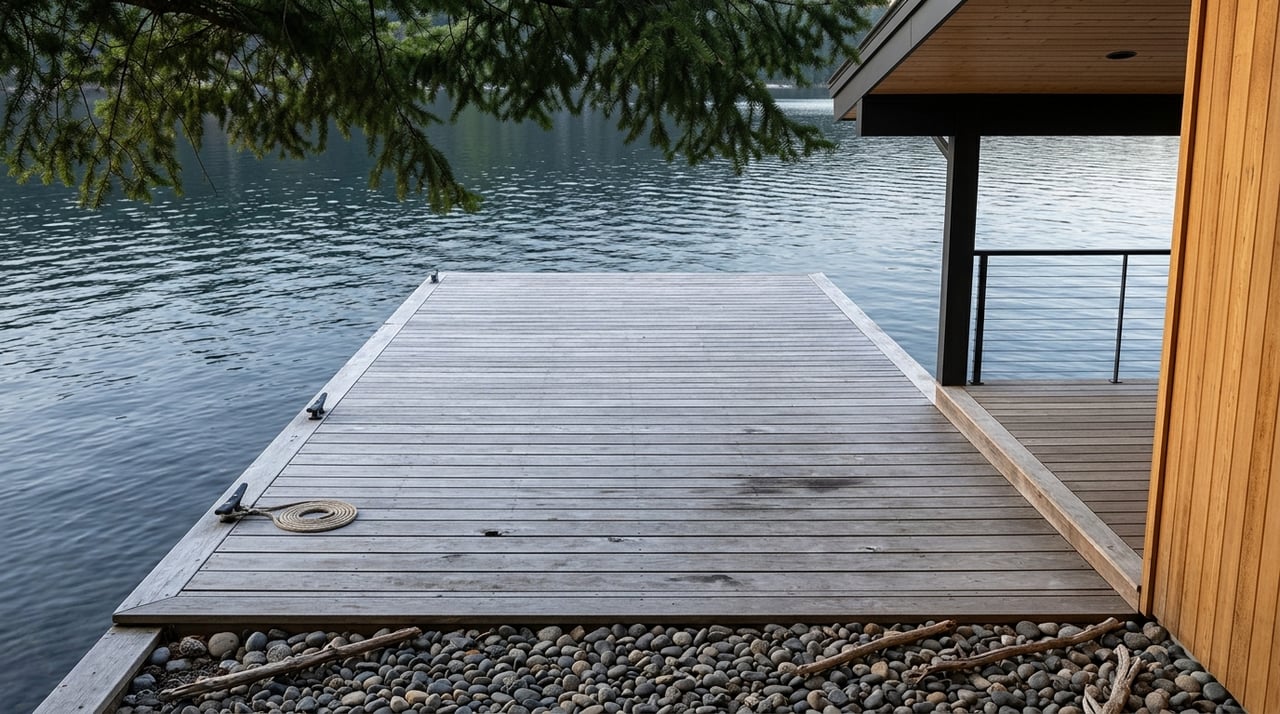
A dock can add a lot to your experience, but only if it is usable and compliant. Flathead County rules tie dock length and design to water depth and require docks to remain open or partially open.
You will also want to confirm whether the dock is permitted, whether any permit or approval is transferable, and whether the structure is seasonal or intended for broader use. These details can affect both enjoyment and future planning.
Ask questions like:
Lake property often comes with more regulation than inland homes. In Flathead County, the lakeshore protection zone extends 20 horizontal feet from the lake perimeter, and work or disturbance in that zone generally requires a Lake and Lakeshore Construction Permit.
That can affect projects you may already be imagining, like shoreline improvements, dock changes, or other exterior work near the water. It is smart to check these details early so you know what may be possible and what may require approval.
County rules also make clear that not every shoreline improvement is feasible. For example, private boat ramps within one lake mile or three driving land miles of a public ramp are not allowed, and dock and shore-station design must meet county standards for size, depth, and navigation.
If a home sits near the lake, floodplain review should be part of your due diligence. Flathead County states that if a property is in a regulated flood hazard area, floodplain rules may apply, and owners must notify potential buyers of that status.
That does not automatically make a property a poor fit. It does mean you should understand how that status may affect ownership, future improvements, and your comfort level with the property over time.
It is also worth looking closely at shoreline condition and existing improvements. A beautiful setting is important, but so is understanding how the lot functions, how access has been maintained, and whether the site supports the way you want to use it.
Many buyers picture full-season lake enjoyment, but seasonal logistics still matter. Even on Flathead Lake, access can be affected by weather and time of year.
For example, the West Shore unit of Flathead Lake State Park, about 6 miles south of Lakeside, has a deep-water boat launch that is typically ice-free in winter, and its dock is normally available from mid-March through November, weather permitting. That is a good reminder to confirm winter boating plans and shoulder-season access before you buy.
If year-round use is part of your goal, ask specific questions. You will want to know how the property performs outside summer, not just during peak listing season.
If you plan to bring in a boat or water equipment from outside the Flathead Basin, local rules matter. Montana Fish, Wildlife & Parks requires vessels and equipment traveling into the basin that were used outside the basin to be inspected before launching.
Flathead County also says used structures such as docks, buoys, and shore stations should be inspected and disinfected before installation to help prevent aquatic invasive species. If your purchase includes used equipment or you plan to install transferred equipment, this is worth confirming early.
Some buyers want a lake-access home for personal enjoyment plus possible rental income. If that is part of your strategy, use intent should be checked early.
According to Flathead County zoning, short-term rental housing in Lakeside is allowed only with an administrative conditional use permit. That does not mean every property will be a fit for that use, so it is important to confirm zoning and approval pathways before you make assumptions about income potential or future resale flexibility.
In Lakeside, the strongest value signals are often the practical ones that reduce friction. Clear access rights, a usable dock or launch setup, workable parking, and a path to stay compliant over time can all make ownership smoother.
That is especially true in a market where public access and parking constraints are already part of the local picture. A property that supports how you actually want to spend time at the lake can feel very different from one that simply checks a marketing box.
As you compare homes with lake access in Lakeside, keep these questions front and center:
Buying lake property is about more than views. It is about how the property works, what is permitted, and how easily you can enjoy it over time. When you look past the listing photos and focus on access, parking, compliance, and long-term usability, you put yourself in a much stronger position to buy well.
If you want help sorting through lake-access options in Lakeside and the broader Flathead Valley, Maureen Gerber offers calm, detail-focused guidance to help you find the right fit for your lifestyle and goals.
Stay up to date on the latest real estate trends.
Choosing the right real estate professional makes all the difference when buying or selling in Whitefish. Clients receive expert guidance, strong market knowledge, and a proactive, detail-driven approach designed to make every transaction seamless and strategic. Whether purchasing a first home, searching for a mountain retreat, securing an investment property, or preparing to list, each step is handled with clear communication, skilled negotiation, and a deep understanding of property value and craftsmanship. With a commitment to protecting clients’ interests and delivering results, the focus is always on helping you find not just the right property, but the right place to belong—so you can truly live where you love and love where you live.
MAUREEN GERBER
206 LUPFER AVE STE 101 WHITEFISH, MT 59937