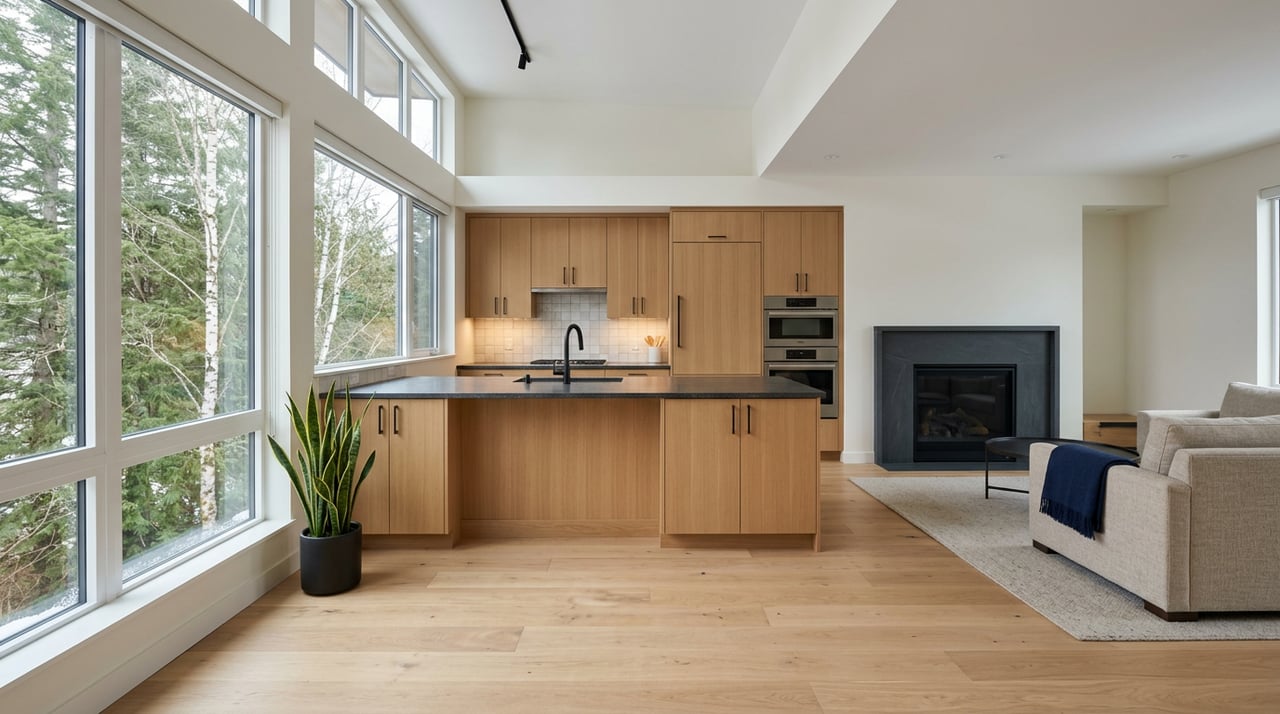
What To Know Before Buying A Whitefish Condo
March 24, 2026
March 24, 2026
Thinking about a condo in Whitefish, but not sure where to start? You are not alone. Between rental rules, HOA documents, and financing requirements, the details can feel overwhelming. This guide walks you through the must‑knows for Whitefish and the surrounding Flathead Valley so you can buy with clarity and confidence. Let’s dive in.
Before you look at units, get clear on how you plan to use the condo. Will it be a primary home, a second home, or a short‑term rental some of the year? Your answer shapes everything from where you can buy to what your lender and insurer will need.
If your goal includes nightly or weekly rentals, you have a few extra steps. Whitefish has defined short‑term rental districts and a permit process. Your condo association may also have its own restrictions, and those rules can be stricter than city zoning. Clarify both early so you do not waste time on properties that will not fit your plan.
In the City of Whitefish, any stay under 30 days needs a city short‑term rental permit and must be in an allowed zoning district. The permit currently includes a yearly application fee, an annual fire inspection, and monthly resort‑tax reporting. Review the city’s requirements and zoning map on the Short‑Term Rental page.
If the property sits outside city limits, different rules apply. Flathead County has its own permitting and zoning for short‑term rentals. Confirm requirements with Flathead County Planning & Zoning before you write an offer.
If you will not rent nightly, your focus shifts to the association’s everyday rules, maintenance, and financial strength. Review owner‑occupancy provisions, pet rules, parking, storage, and renovation guidelines. These details affect your day‑to‑day experience and future resale.
You will see three common settings in Whitefish. Each comes with different amenities, fees, and demand patterns.
Amenities drive costs. On‑site management, heated garages, fitness rooms, hot tubs, pools, boat slips, and shuttle services all increase fixed dues and can raise the risk of future special assessments. Some minimalist associations run lean with modest dues; full‑service buildings can exceed $1,000 per month. Build these differences into your budget.
Condo financing is not just about your credit and income. Lenders also review the building itself. Many buyers use conventional loans that follow Fannie Mae and Freddie Mac rules. Lenders verify “project eligibility” to decide if a building is warrantable. Common issues include high investor concentration, low reserves, high delinquency rates, large commercial space, or active litigation. Ask your lender to check the project using Fannie Mae’s tools such as Condo Project Manager (CPM) before you get too far.
If you plan to use FHA or VA financing, the project usually needs to meet program‑specific approval requirements. FHA offers single‑unit approvals in some cases, which can expand your options. Confirm whether the condo is approved or eligible by reviewing HUD/FHA guidance and working with your lender. You can learn more about FHA’s approach in the program’s condo approval update.
If you plan to operate a short‑term rental, taxes will affect your nightly rates and net income. Montana charges a combined 8% lodging‑facility sales and use tax on taxable lodging. Learn what is taxable and how collection works through the state’s overview of the lodging facility tax. The City of Whitefish also has a local resort tax. Review current rates and reporting details on the city’s Resort Tax page. Some listing platforms may collect and remit certain taxes for you, while others may not. Confirm who collects what, and set up your accounts before your first booking.
Treat the HOA packet as a must‑have. Montana’s Unit Ownership Act outlines the legal framework for condo declarations, bylaws, and common expenses. It helps to know what should be in the governing documents by reviewing the statute’s definitions and structure in the Unit Ownership Act.
Request these items early and review them with your agent and, if needed, an attorney or HOA specialist:
For a practical overview of how to examine HOA documents, this guide on reviewing HOA documents is helpful. For your personal coverage, learn the basics of an HO‑6 and loss‑assessment protection through this HO‑6 insurance primer.
Insurance is a key part of condo ownership. The association’s master policy usually covers the building shell and common areas, often with a large deductible. Your HO‑6 policy should cover interior finishes, personal property, liability, loss of use, and loss‑assessment exposure. Verify what the master policy covers and where deductibles apply, then tailor your HO‑6 accordingly using the HO‑6 insurance overview.
Local hazards matter. City planning materials note elevated wildfire risk around Whitefish; portions of Whitefish Lake and the Whitefish River lie in FEMA Special Flood Hazard Areas. If your building sits in a mapped flood zone and you use a federally regulated loan, flood insurance may be required. Even when not required, flood is excluded from standard homeowners policies and must be purchased separately. Review the city’s planning documents for context on wildfire and flood mapping in the Existing Conditions Report. Ask the HOA whether there is a community wildfire‑mitigation plan and whether flood or wildfire exclusions affect the master policy.
Whitefish winters are real, especially on Big Mountain. Clarify who handles snow removal, sanding, and plowing, and where the building stores snow. Ask about heating system maintenance schedules, freeze‑protection steps, and whether the HOA or a property manager offers winterization services. For second homes and short‑term rentals, confirm if the city requires a local contact and whether the STR permit must be posted in the unit, which is outlined on the city’s Short‑Term Rental page.
When you are ready to explore the right buildings and dig into the details, reach out. I will help you align your wish list with zoning, HOA rules, and financing realities so you can move forward with confidence. Connect with Maureen Gerber to get started.
Stay up to date on the latest real estate trends.


Choosing the right real estate professional makes all the difference when buying or selling in Whitefish. Clients receive expert guidance, strong market knowledge, and a proactive, detail-driven approach designed to make every transaction seamless and strategic. Whether purchasing a first home, searching for a mountain retreat, securing an investment property, or preparing to list, each step is handled with clear communication, skilled negotiation, and a deep understanding of property value and craftsmanship. With a commitment to protecting clients’ interests and delivering results, the focus is always on helping you find not just the right property, but the right place to belong—so you can truly live where you love and love where you live.

MAUREEN GERBER
206 LUPFER AVE STE 101 WHITEFISH, MT 59937