Kalispell Living: Historic Core To Open Space
April 2, 2026
April 2, 2026
If you are trying to picture daily life in Kalispell, the biggest question is often this: do you want to live close to the historic core, or closer to open space and newer growth areas? The good news is that Kalispell gives you both. Whether you are drawn to older homes near downtown or want a neighborhood with a more suburban feel, you can find very different living experiences within one city. Let’s dive in.
Kalispell started as a railroad town, with the townsite platted in 1891 for the Great Northern Railway division point. By 1893, it had become the county seat and the trade and financial center of the Flathead Valley, which helps explain why the city still has such a strong historic core today. As of July 1, 2024, Kalispell’s population was estimated at 31,296, and the city covered 12.43 square miles, so you get an urban center with a relatively manageable footprint and a mean travel time to work of 14.9 minutes. The Downtown Kalispell historical overview gives helpful context for how the city took shape.
That compact footprint matters when you are choosing where to live. In Kalispell, you are often only a short drive from downtown, parks, and major routes, even if the feel of one area is very different from another.
Downtown remains the heart of Kalispell’s historic identity. According to a City of Kalispell Main Street grant application, Main Street is considered the only historic downtown in the Flathead Valley, and planning efforts have focused on linking the core area, rail corridor, and future trail network.
For you as a buyer, that usually translates into a lifestyle with easier access to shops, restaurants, civic spaces, and community activity. The downtown walking tour also notes the role of Main Street and Depot Park, which continue to anchor the area as a gathering place.
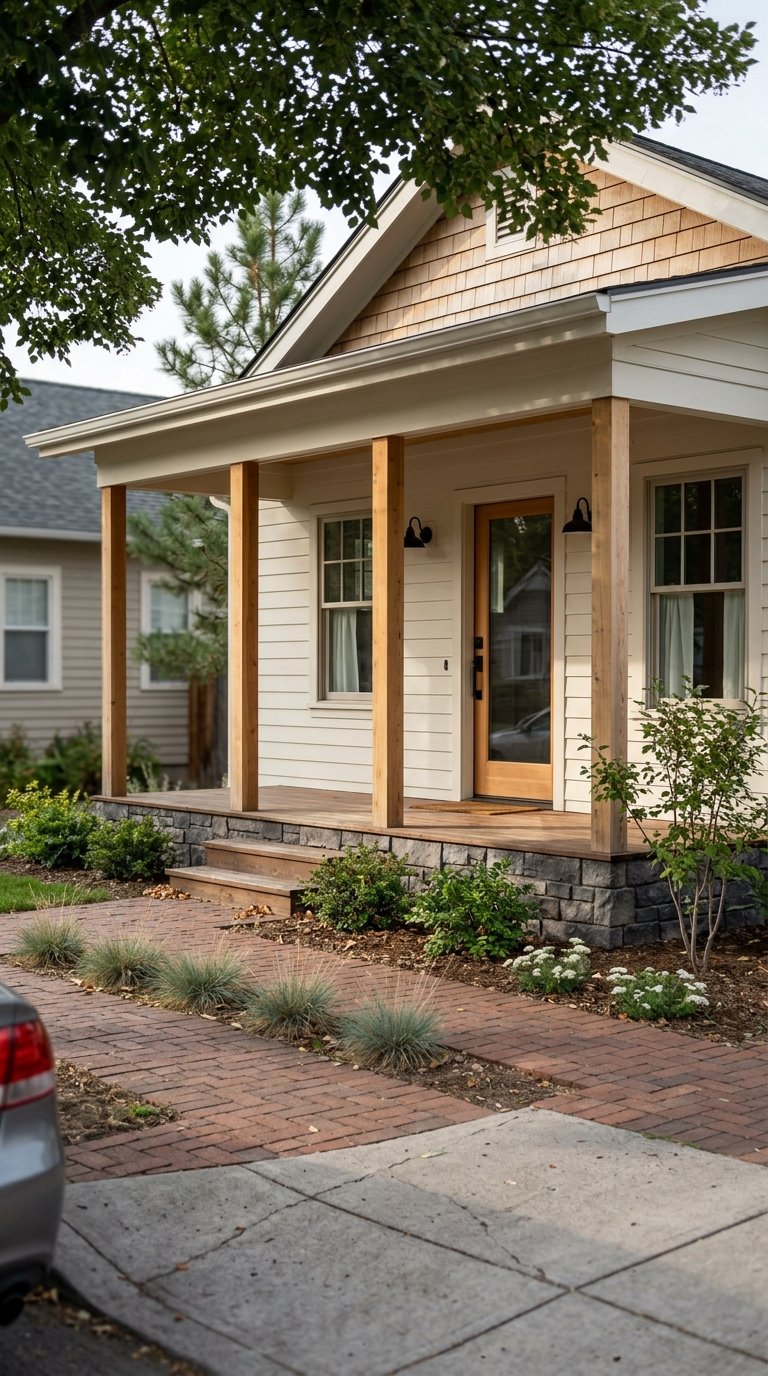
If you like homes with character, the neighborhoods near downtown are worth a closer look. The National Park Service documentation for Kalispell’s historic districts shows just how much architectural variety exists close to the city center.
On the west side of Main Street, the West Side Historic District covers 14 blocks and includes early-1900s homes in styles such as Queen Anne, Colonial Revival, Craftsman, English Cottage, Gothic Revival, and Tudor Revival. On the east side, the East Side Historic District spans 52.5 blocks and includes many pre-1910 Colonial Revival and front-gabled vernacular homes.
That means if you are searching in and around the historic core, you may find:
One reason downtown living has broad appeal is its connection to the city’s growing trail network. The Parkline Trail is described in city planning documents as roughly 1.6 to 1.7 miles long, helping connect the core area with downtown and nearby civic spaces. The city has also identified extension connections toward Woodland Park as a priority in future planning, according to the same Main Street planning materials.
If daily walkability and trail access matter to you, this corridor is important. It supports the idea that living near the center of Kalispell is not only about historic homes, but also about how easily you can move between downtown, parks, and nearby neighborhoods.
Kalispell is not just about Main Street. The city also has a meaningful amount of local open space for its size. The Kalispell Parks Department says the city maintains 445 acres of parkland and natural open space, and the city has held Tree City USA status since 1987.
That is a real quality-of-life factor if you want access to green space as part of your daily routine. Instead of thinking of outdoor access as something you only drive to on weekends, you can think of it as something built into life inside the city.
Open-space investment is also continuing on the west side of Kalispell. The city’s Ashley Creek Park project page describes a planned park on roughly 20 acres, with open space intended to support play, exercise, and connection to nature.
For buyers looking at west-side areas, this matters because future parks and trail improvements can shape how a neighborhood feels over time. The city’s 2026 parks planning also continues to emphasize Parkline Trail connections and broader pedestrian improvements.
If historic homes are not your style, Kalispell still has plenty to offer. A 2025 city housing narrative says about 60% of the city’s housing units are single-family homes, 30% are multi-family, and 10% are mobile or manufactured homes.
The same document notes that newer subdivisions are generally located on the north and west edges of the city, while older single-family neighborhoods are closer to the core. Multi-family and infill projects are more concentrated near downtown and along U.S. 93 and U.S. 2.
For you, that creates a practical way to narrow your search based on lifestyle.
North- and west-edge living may appeal to you if you want:
These distinctions come from city housing-location patterns, and they are helpful when you are trying to decide whether you want character, convenience, newer construction, or a balance of all three.
Kalispell’s image is often tied to detached homes, but the housing mix is more varied than many out-of-area buyers expect. City planning documents point to a wider range of housing types, including townhomes, apartments, senior housing, and accessory dwelling units, alongside single-family homes and manufactured housing.
That variety matters because it opens up more choices depending on your goals. You may be looking for a close-in historic house, a lower-maintenance townhome, a condo-style option, or a home in a newer subdivision with a different feel and price structure.
Lifestyle matters, but day-to-day function matters too. U.S. Census QuickFacts for Kalispell show a 55.1% owner-occupied housing rate, an average of 2.36 persons per household, and a median gross rent of $1,078 for 2020 through 2024.
For local services, Kalispell Public School District 5 lists two high schools, one middle school, and six elementary schools, and the same census source helps round out a clearer picture of the city’s residential makeup. Logan Health Medical Center also describes itself as a 192-bed regional referral center in Kalispell, which adds to the city’s role as a practical service hub for the wider valley.
Part of Kalispell’s appeal is what surrounds it. According to Discover Kalispell’s destination planning narrative, the city is 32 miles from Glacier National Park, 10 miles from Flathead Lake, and within the larger Flathead National Forest landscape. The same source notes that Glacier Park International Airport recorded 501,692 enplanements in 2024.
If you are moving from out of area, that helps explain why many buyers see Kalispell as a practical base for everyday living and weekend recreation. You can enjoy city services and local neighborhoods while staying connected to some of northwest Montana’s best-known outdoor destinations.
The best part of Kalispell may be that you do not have to fit one single mold. Different parts of the city support very different routines and priorities.
Here is a simple way to think about it:
If you want an older home, close access to Main Street, and a neighborhood tied to Kalispell’s early development, the historic core and nearby close-in neighborhoods may be the right fit.
If you prefer newer subdivisions and a more suburban feel, the outer north and west areas may align better with your needs.
If your priority is everyday access to green space, parks, and trail connections inside the city, it makes sense to focus on areas shaped by the Parkline Trail, city parks, and future open-space investments.
No matter which direction you lean, it helps to compare not just the home itself, but also how the surrounding area supports the way you want to live.
If you are thinking about buying or selling in Kalispell, working with a local guide can help you sort through the details that affect both lifestyle and value. Maureen Gerber brings a practical Flathead Valley perspective, clear communication, and a detail-focused approach to help you find the right fit. Let’s connect.
Stay up to date on the latest real estate trends.
Choosing the right real estate professional makes all the difference when buying or selling in Whitefish. Clients receive expert guidance, strong market knowledge, and a proactive, detail-driven approach designed to make every transaction seamless and strategic. Whether purchasing a first home, searching for a mountain retreat, securing an investment property, or preparing to list, each step is handled with clear communication, skilled negotiation, and a deep understanding of property value and craftsmanship. With a commitment to protecting clients’ interests and delivering results, the focus is always on helping you find not just the right property, but the right place to belong—so you can truly live where you love and love where you live.
MAUREEN GERBER
206 LUPFER AVE STE 101 WHITEFISH, MT 59937